The Internment Enquiry
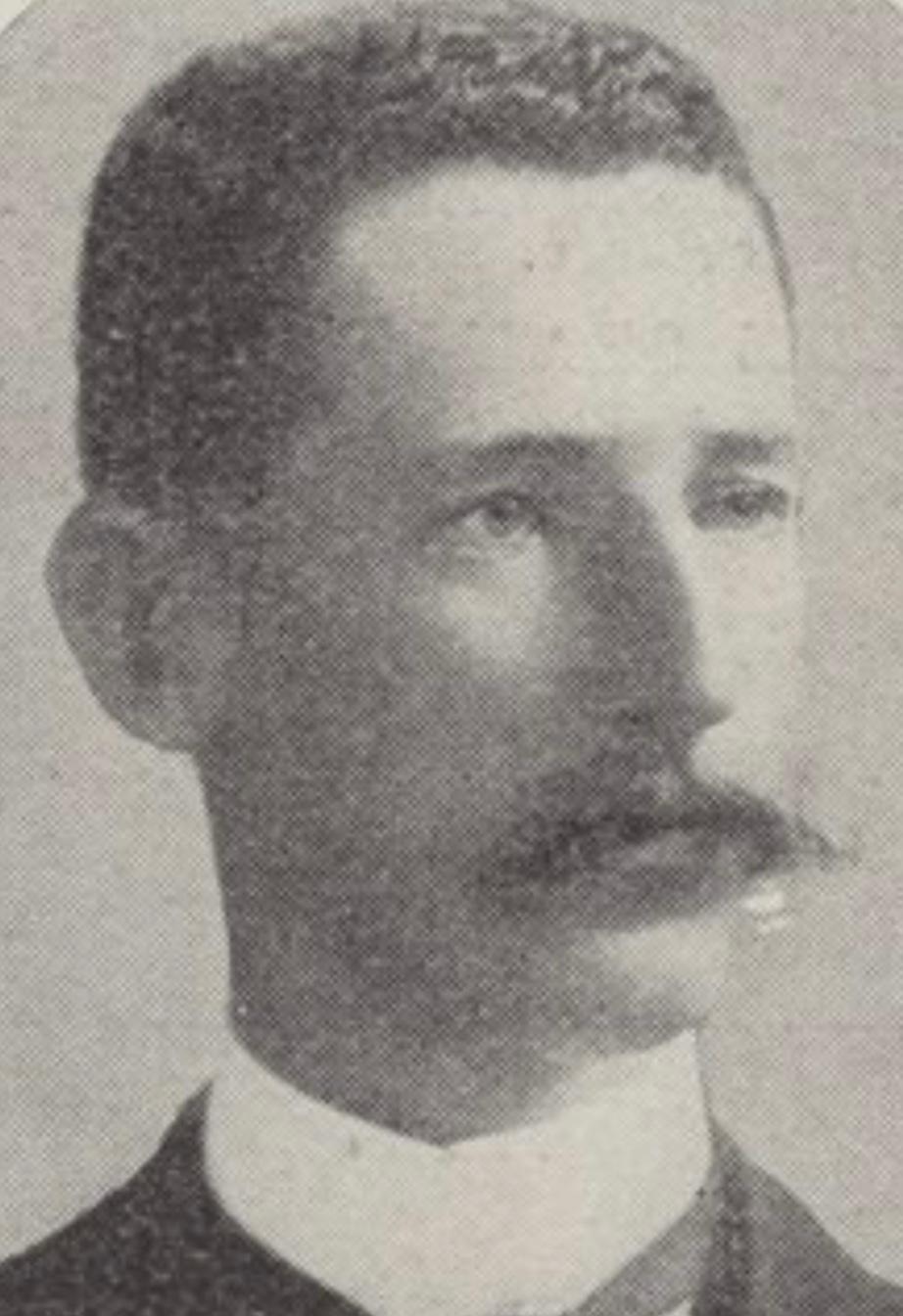
Testimony of Lt-Colonel C.M. Parsons
Commanding Officer, Chatham Batallion
TestimonyPreparations for Withdrawal and the Order to RetireLieutenant-Colonel Cunliffe Parsons stated that preparations to withdraw were made while his battalion was in position as part of the Royal Naval Division’s line. He described receiving a definite order to withdraw, though he was clear that this order was not given to him in writing. Nonetheless, he understood it to be authoritative and requiring immediate execution. He outlined the position of his battalion within the naval line, explaining that it formed part of the general defensive arrangement and was withdrawn in accordance with the broader movement of the Division. His evidence suggests that, while the order itself was clear in intent, there was little accompanying detail as to the wider plan beyond the necessity of retirement. The Battalion’s Retreat and Encounter with General Paris Lieutenant-Colonel Parsons described the retreat of his battalion as being conducted under difficult conditions, with the men already fatigued before the movement began. The withdrawal took place at night, adding to the confusion and slowing progress as units moved along congested routes. During this phase, Lieutenant-Colonel Parsons encountered Major-General Paris. This meeting left him with the impression that General Paris himself was considering the possibility of marching into Holland should circumstances require it. While no explicit order to do so was given to him at that time, the discussion conveyed an awareness at senior level that retreat toward the frontier might become unavoidable depending on developments. |
 |
|||
|
Entraining and the Partially Empty Train Lieutenant-Colonel Parsons went on to describe the entraining of troops following the retreat. He noted that at least one train departed only half full, despite the presence of large numbers of tired men who might have been expected to fill it. This, he implied, was not the result of deliberate exclusion but rather of confusion, haste, and uncertainty as to whether more troops were still expected to arrive. The departure of a partially empty train left his battalion to continue movement by other means, reinforcing the sense that control over the withdrawal and evacuation was becoming increasingly fragmented as events unfolded. Summary of His Evidence In summarising his position, Lieutenant-Colonel Parsons emphasised that he had received a definite order to withdraw, though it was not written, and that he acted upon it without hesitation. He reiterated his understanding of his battalion’s place in the line and the sequence of its withdrawal, while acknowledging the lack of detailed guidance as to the ultimate destination or fate of the Division once the retirement was underway. | ||||
|
|
|